
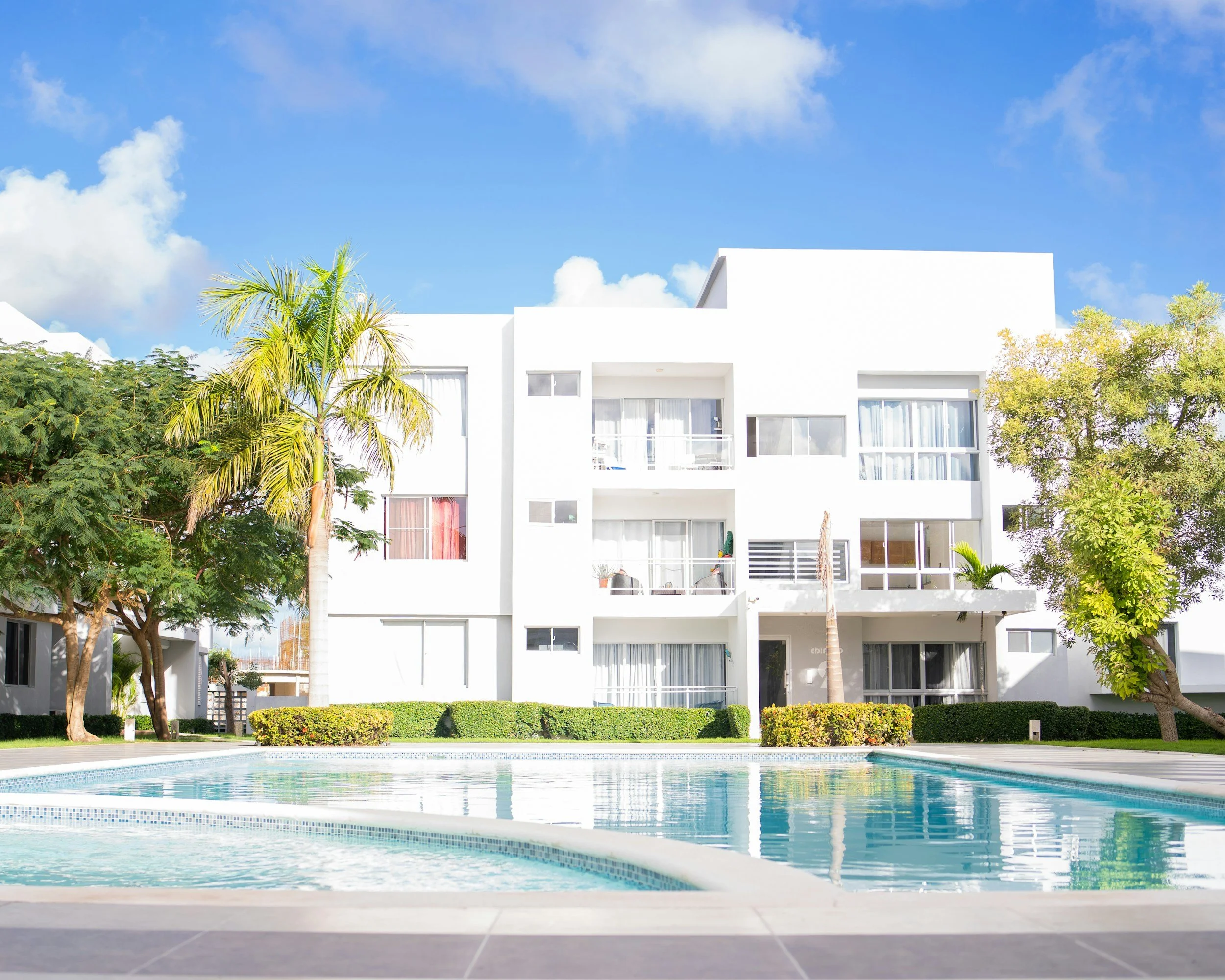
Multifamily Sales & Advisory in Palm Beach, Martin & St. Lucie Counties
Whether you're selling a multifamily building you've held for years, acquiring your next investment, or trying to decide whether to reposition a property before selling it, I provide representation for smaller multifamily assets (less than 50 units per asset) across Palm Beach, Martin, and St. Lucie counties.
Who This Is For
Owners looking to sell or reposition a multifamily property. Maybe because you’re retiring, or cashing out to put the money elsewhere, or exiting a building that needs a large amount of capital improvements that you don’t want to do.
Investors and buyers building a portfolio of smaller multifamily assets in Florida.
Owners of underperforming or below market rent buildings who want honest guidance on value add positioning before deciding to sell.
For Owners: Sell or Reposition Your Multifamily Property
Multifamily value comes down to net operating income. Considerations here are occupancy, actual rents versus market rents, and expenses which matter more than almost anything else. A building with below market rents isn't necessarily a bad asset. It can be exactly the opportunity the right buyer is looking for, if priced and positioned correctly.
For Investors & Buyers: Acquiring the Right Multifamily Property
Multifamily properties for investment purposes:
Smaller multifamily buildings suited to individual and first time commercial investors (typically 10 units or less)
Value add properties with upside from under market rents or deferred maintenance (a really crowded trade)
Stabilized, cash flowing buildings for investors prioritizing reliable income over upside (the easiest to finance)
I show you every available option. My listings, other brokers' listings, and off market opportunities. My job is finding the right property for you, not selling you my own inventory.
Real Results: Expanding a Deal Beyond What Was Listed
I represented the sale of two sister multifamily buildings totaling 20 units, where rents were well below market and the property needed updating to bring it in line with area rentals. During negotiations, I engaged the owner of an adjacent property on the rear side of the buildings and brought an additional 12 units into the deal, expanding it to 32 units total. The property was purchased fully stabilized and cash flowing at an attractive cap rate, which was my client's main goal. I tell you this story as an example of how I try to work outside the box I’m presented with in order to get deals done. Things don’t always move in a straight line.
Frequently Asked Questions
How is a multifamily building valued?
Primarily through net operating income and a market cap rate — not a per-unit rule of thumb. [Read more: How Much Is My Commercial Building Worth? →]
Should I raise rents to market before selling, or sell as-is?
It depends on your timeline and risk tolerance. Raising rents first can increase sale price, but takes time and carries turnover risk; selling as-is with below-market rents can actually attract value-add buyers willing to pay for that upside themselves. This is worth a direct conversation specific to your building and timeline.
What's a cap rate, and why does it matter when selling?
The cap rate is the return rate buyers expect for a given asset type, condition, and location — it's the number used to convert your building's net income into a sale price. A lower cap rate means a higher valuation for the same income; a higher cap rate means a lower one. Comparable recent sales in your submarket determine where your building actually falls.